Research and Training
 MS Program (Orthopaedic Surgery)

Partners' Brief Introduction:

B & B Hospital: B&B Hospital, which started out, as a surgically focused hospital, is now rapidly expanding its services to become a multi-specialty center with 240 beds. The hospital is a training center for the orthopedic residency program (MS Course) of Kathmandu University.

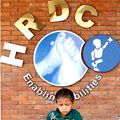
Hospital and Rehabilitation Centre for Disabled Children (HRDC): The HRDC is a program of a non-governmental organization, the Friends of the Disabled. It is a tertiary level pediatric orthopaedic hospital in the country located in Banepa which provides high quality reconstructive surgery and rehabilitation for children below 16 years of age. Its services are geared for under privileged physically disabled children in Nepal.

Program Introduction:

MS Program was started in 1999, through the initiation of Dr. Ashok K. Banskota with Kathmandu University (KU). The program has been authenticated by Nepal Medical Council. It is now running in the 11th year. B & B Hospital (BBH), Gwarko, Lalitpur and Hospital and Rehabilitation Centre for Disabled Children (HRDC), Janagal, Kavre are the two training centers for the purpose.

So far 10 batches (25 doctors) have successfully completed the training. All 25 doctors are providing quality services in different institutions. Dr. Jwala Raj Pandey and Dr. Babu Kaji Shrestha are involved in the training Program. In addition two graduates of the program (the second batch – Dr. Tarun Rajbhandari and Dr. Binod Bijukachhe) and one graduate of the fourth batch (Dr. Om Prasad Shrestha) are also involved in the training program under the overall supervision and co-ordination of Prof. Dr. Ashok K. Banskota.

Though the duration of formal education and training for MS Program is only 3 years (2nd, 3rd & 4th), the concept of making it a 5 year package was presented to the Vice Chancellor of Kathmandu University long time back by the Team (Dr. Banskota, Dr. Pandey and Mr. Bhattarai). Conceptually it was agreed, but there was difference of opinion in the technical committee. But still practically we are implementing it as a 5 year program. The residents' fifth year of involvement is for giving them opportunities for testing out their skills more independently. They are called Registrars in the fifth year.


Primary Rehabilitation Therapy (PRT) Training

2008 batch of PRT Training at HRDC

At the end of 2008, 139 staff were working at HRDC in regular and contractual status. There is a strong sense of belonging and pride amongst the staff about the Mission of HRDC and it's accomplishments. This year, the 12th batch of Primary Rehabilitation Therapy (PRT) Training was successfully concluded for 17 participants from numerous organizations. Refresher courses were also held for our CBR workers. Other activities included refresher training in shoe making for trainees from Mid Western Nepal, attending the Annual Meetings of Various specialist societies by HRDC staff (Orthotic Prosthetic Society of India Annual meeting at Hyderabad; Indian Association of Orthopaedic Surgeons Annual meeting at Bangalore etc). Three more students graduated in the Masters in orthopaedic surgery course of Kathmandu University, of which HRDC is a teaching hospital and training venue.

The Social Impact Study

This study conceived by us, was undertaken to study the impact on the lives of children treated at HRDC.

The study design was thoroughly screened and formulated by a committee chaired by FOD Board member Ambika M. Joshee. Joseph Aguettant of TdH and Krishna Bhattarai of HRDC provided the necessary additional guidance. Robert Millman, our former TdH delegate edited the final report. The published results are astonishing and throughly encouraging. Over 90% of the children in the study reported a positive impact of the HRDC treatment on their further growth and development both physically and socially. This is important information not only for us at HRDC, but the entire world community associated with the HRDC effort.

The impact Study organized by Terre des Hommes and FOD/HRDC was a landmark in 2008. The information provided by this study heralds new home and encouragement for the quarter centure of HRDC effort.


Ponseti International Workshop at HRDC

An international workshop on the Ponseti method of clubfoot treatment was successfully concluded on January 13th, 2009. (Details will be available in the 2009 Annual report). This workshop was sponsored by CBM, CURE and the Ponseti International Association. The workshop was attended by 21 orthoapedic surgeons and 24 Health workers with faculty members from Nepal, USA, Iran and India. The workshop was a grand success in every way.

Clubfoot continues to pose many challenges in it's management, and the workshop provided an excellent opportunity for many to learn the Ponseti method of treatment, now accepted the world over as the best method of clubfoot care.